Central Park Guide
Everything you need to know before you go
Honest, up-to-date answers about visiting Central Park — how to get there, what to see, and how to make the most of your day. Written by the team that rides it for a living.
 Getting There
Central Park Maps, Directions & Parking
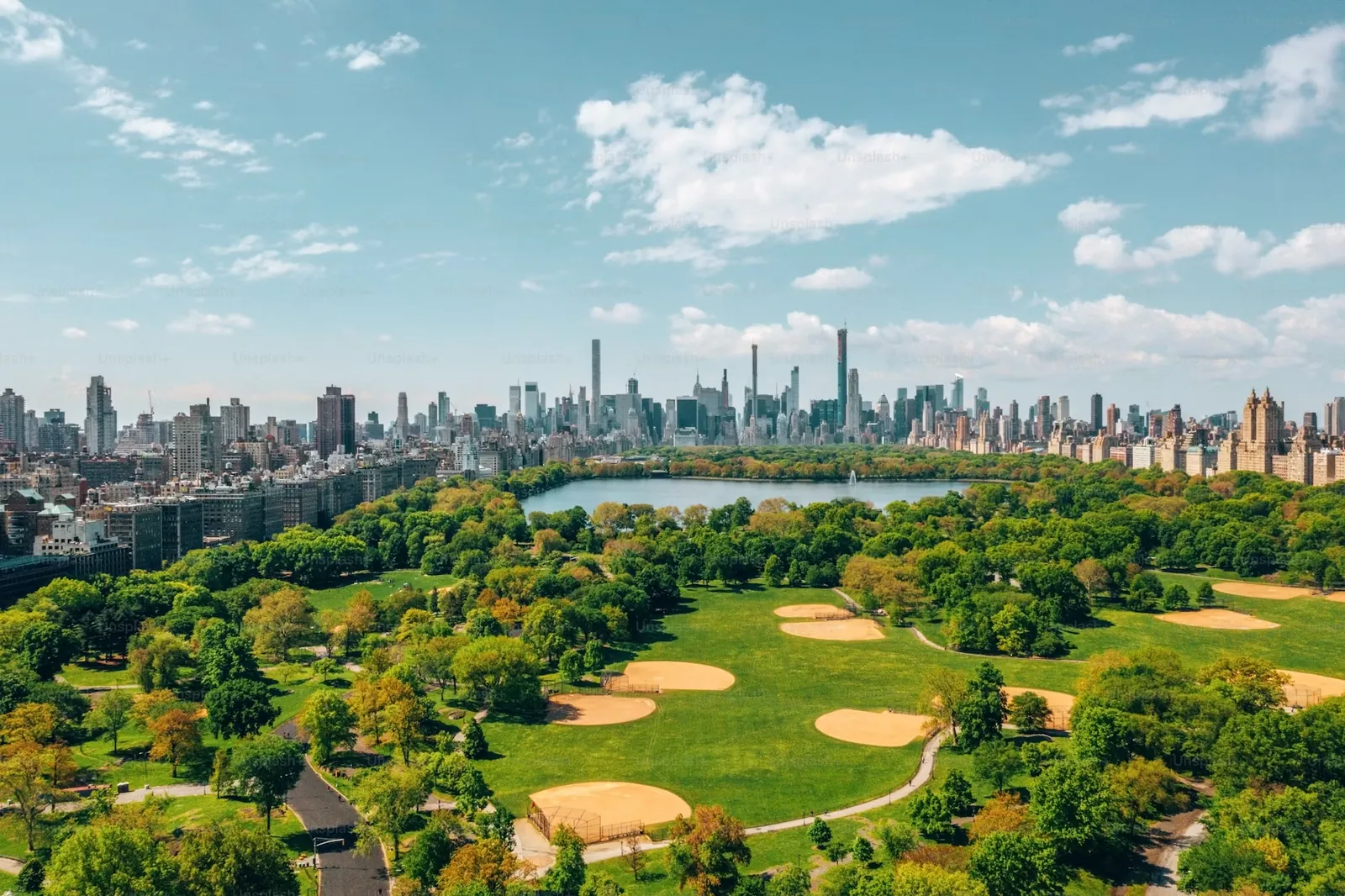
The fastest way to reach Central Park is by subway: take the A, B, C, D, or 1 to the west side, or the N, R, W, 4, 5, or 6 to the east side — most trips put you within a block of an entrance. Driving works too, but there is no public parking inside the park, so use a paid garage around the perimeter.
Read guide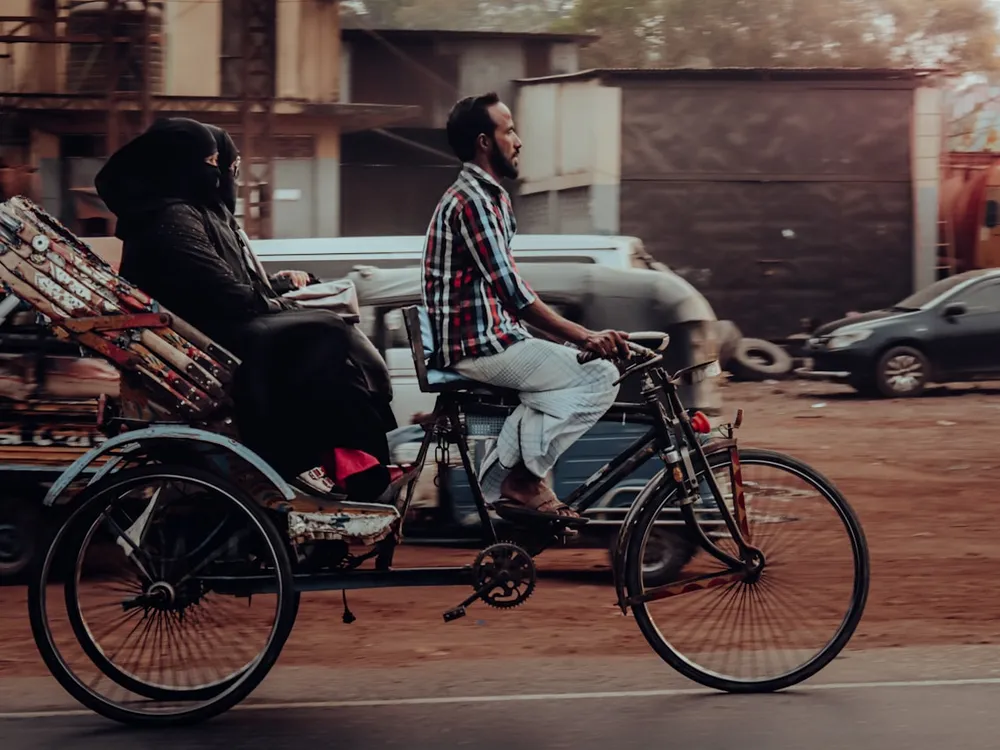 Ways to Explore
Central Park Tours: Every Way to See the Park
The best way to tour Central Park depends on your time and group. A pedicab tour is the most relaxed and is ideal for couples, families, and anyone short on time or mobility, since a driver pedals and narrates while you ride. Bike and e-scooter tours cover far more ground in about two hours, walking tours go deepest on detail, and running tours mix sightseeing with a workout. NY Central Park Tour offers all of these, with rides meeting at Seventh Avenue and Central Park South.
Read guide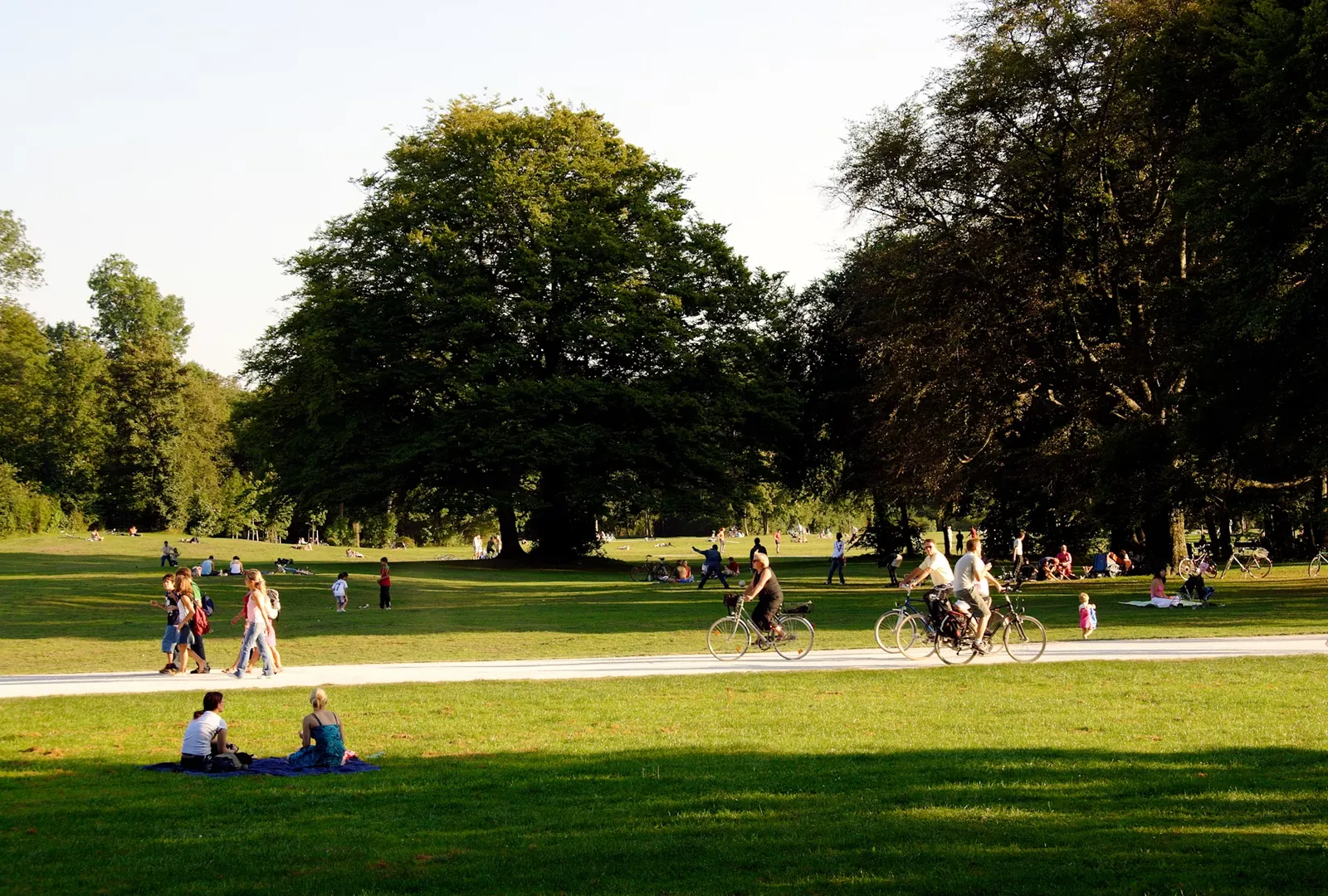 Plan Your Visit
Central Park FAQ: Hours, Cost & Top Questions
Central Park is free to enter and open daily from 6:00 am to 1:00 am. It covers 843 acres and runs about 2.5 miles from 59th Street up to 110th Street, so most visitors spend two to four hours seeing the highlights. The most-photographed landmarks — Bethesda Terrace and Fountain, Bow Bridge, the Mall, Strawberry Fields, and Belvedere Castle — all sit in the lower half of the park, and you can reach them on foot, by bike, by pedicab, or by e-scooter.
Read guide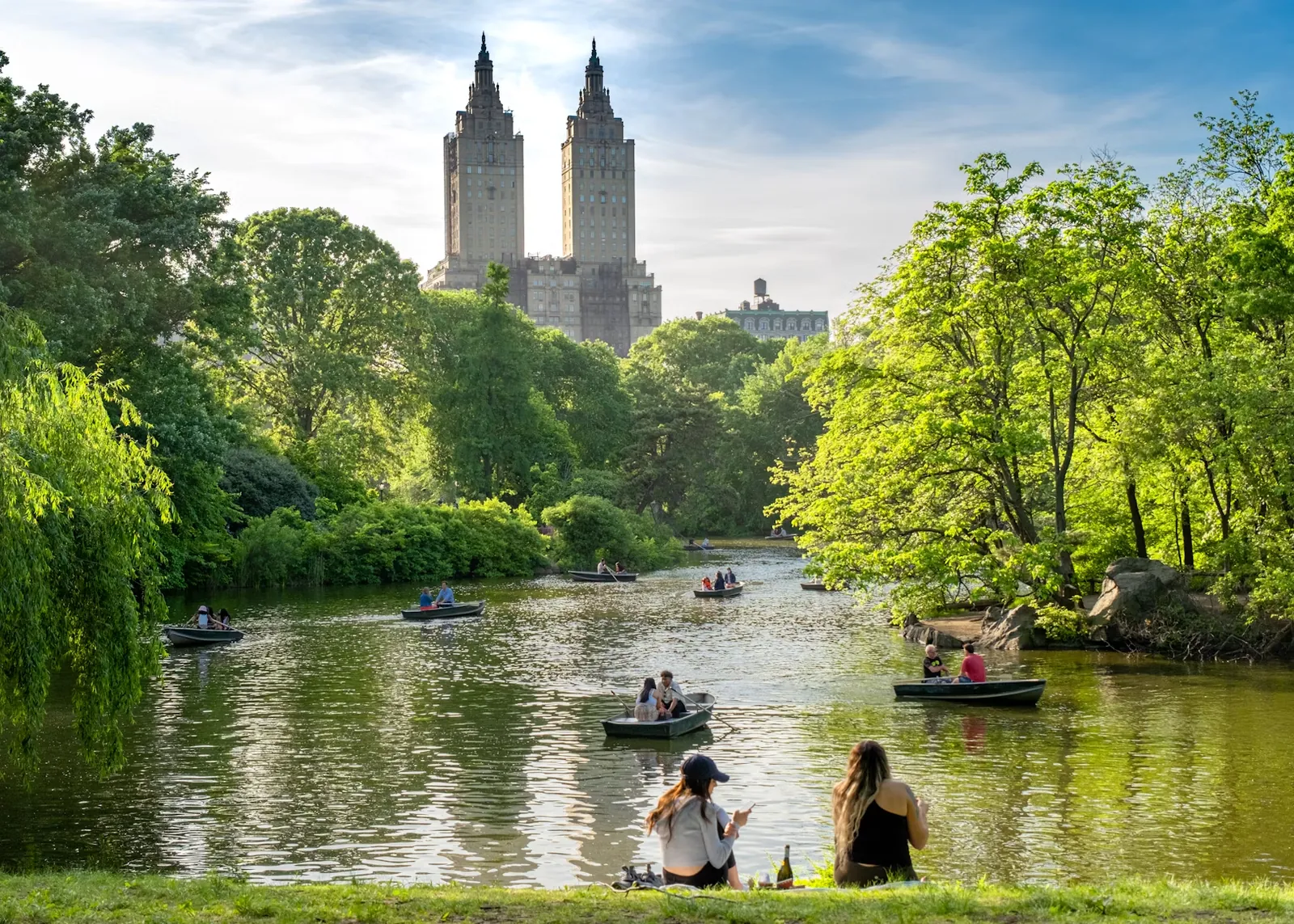 Visiting Smart
Central Park Rules & Safety
Central Park is open daily from 6:00 am to 1:00 am, and the same common-sense rules apply throughout: keep dogs leashed during the day, stay out of the lakes and ponds, and give people on foot the right of way. The most important safety number is 911 for any emergency; for non-urgent help, the Central Park Precinct and the Urban Park Rangers can assist. Stick to well-used, lit paths after dark and the park is one of the safest places in the city.
Read guide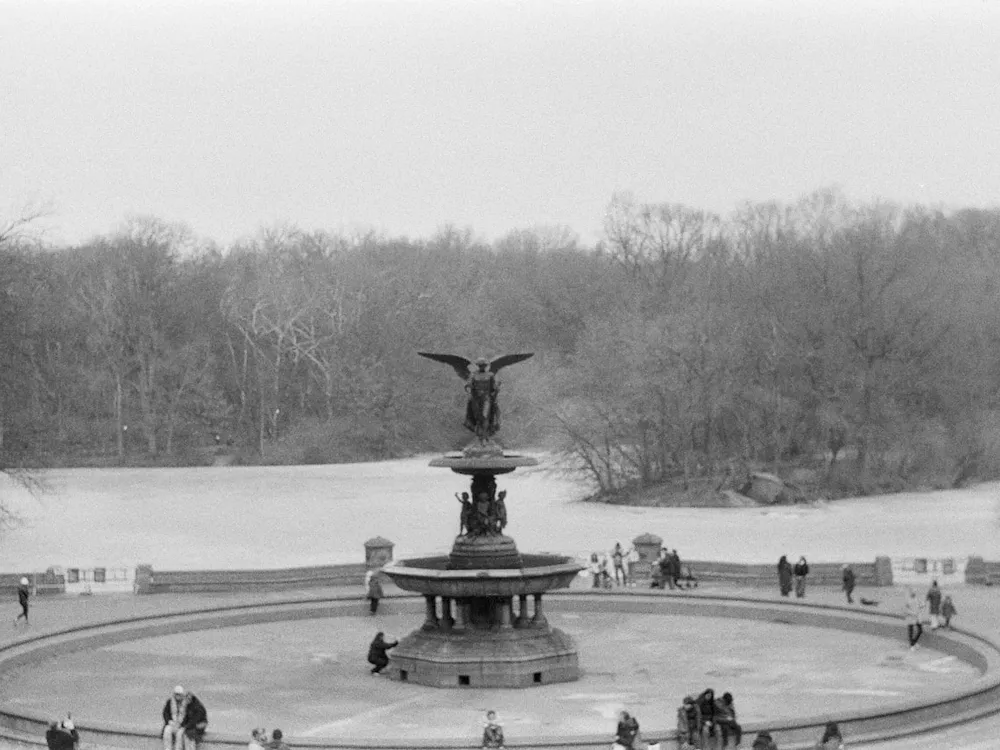 Park Story
A Short History of Central Park
Central Park was built between 1857 and 1876 on land New York State set aside in 1853. The naturalistic design, called the Greensward Plan, was created by Frederick Law Olmsted and Calvert Vaux, who won an 1858 design competition. The 843-acre park is almost entirely man-made, and its creation required removing Seneca Village, a community of mostly African American landowners. After decades of decline, the Central Park Conservancy was founded in 1980 and restored the park.
Read guide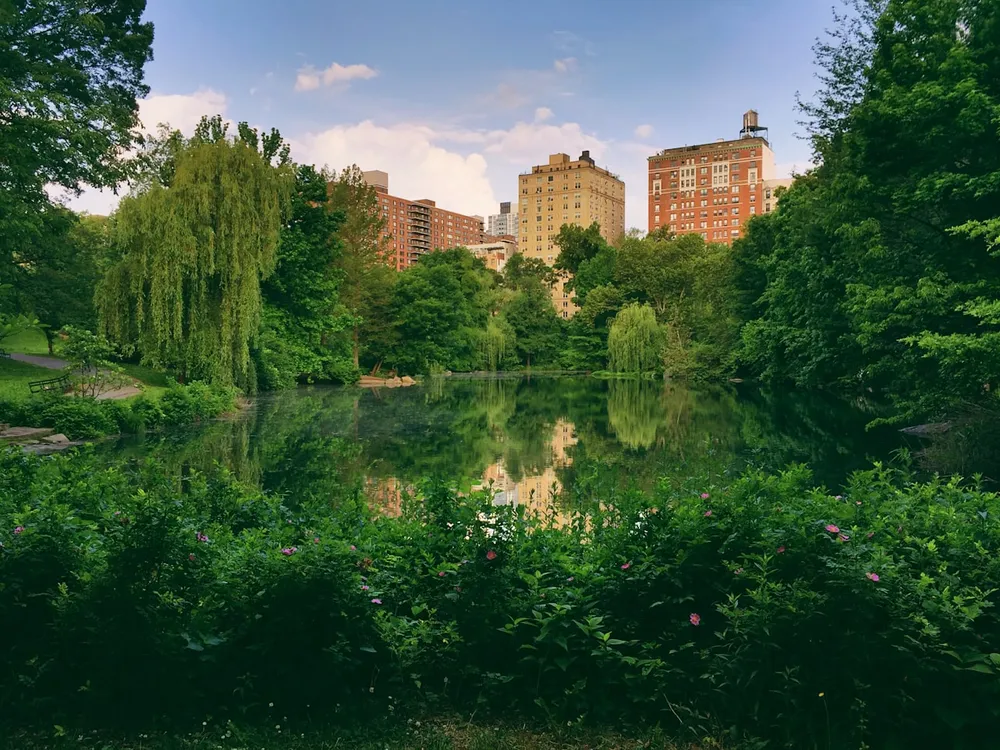 Eat & Drink
Food & Drink in Central Park
You have three easy ways to eat in Central Park: sit-down restaurants (Tavern on the Green near 67th Street and the Central Park Boathouse near 74th Street), casual food carts and the Mineral Springs cafe by Sheep Meadow, or a picnic you bring yourself. Picnics are welcome on the big lawns, but alcohol is not permitted anywhere in the park, so plan accordingly.
Read guidePlan Your VisitCentral Park Visitor Centers
Central Park has five visitor centers run by the Central Park Conservancy: the Columbus Circle Information Kiosk at the southwest corner, The Dairy and the Chess & Checkers House mid-park near 65th Street, Belvedere Castle mid-park at 79th Street, and the Charles A. Dana Discovery Center at the north end near the Harlem Meer. All of them hand out free park maps and friendly directions. Hours are seasonal, so check centralparknyc.org before you go.
Read guideGetting ThereHow to Save on Parking Near Central Park
To save on parking near Central Park, book a garage online before you arrive — apps like SpotHero and ParkWhiz often beat drive-up rates by reserving a fixed price in advance, sometimes up to about 50 percent cheaper. Compare a few garages around Columbus Circle, the Upper West Side, and the Upper East Side, check the fine print for in-and-out and oversize fees, and consider skipping the car entirely: the subway is a flat fare and almost always the cheapest way in.
Read guideGood to KnowCentral Park Contact Numbers: Who to Call
If there is a life-threatening emergency anywhere in Central Park, call 911. For everything else — a non-urgent police matter, a lost item, a broken bench or a safety concern — call New York City at 311, or reach the NYPD Central Park Precinct directly at (212) 570-4820. The park itself is cared for by the nonprofit Central Park Conservancy, reachable at (212) 310-6600.
Read guideGood to KnowCentral Park Resources & Organizations
Central Park is owned by the City of New York through NYC Parks, but its day-to-day care is handled by the Central Park Conservancy, a private nonprofit that funds most of the park's upkeep through donations. The Central Park Zoo and Tisch Children's Zoo are run separately by the Wildlife Conservation Society. Visitors can use free resources from all three — an official map, the Central Park app, and free ranger programs — and support the park through membership, donations, or volunteering.
Read guide